19 October 2026
Field notes: the parcel that irrigated three weeks early
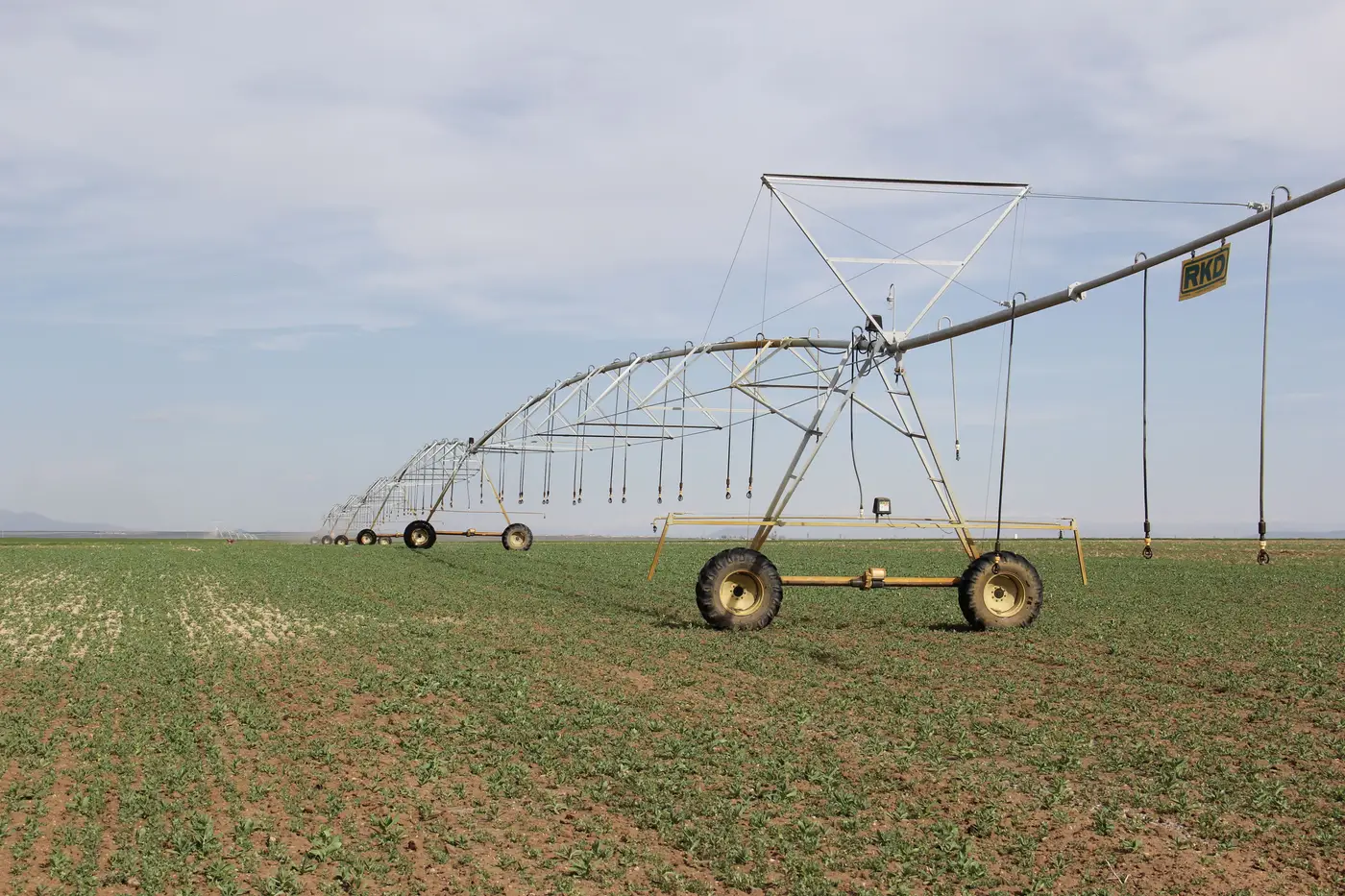
There's a particular kind of parcel that shows up every few seasons, and it never fails to start an argument. The license file says the allotment window opens in May. The seasonal band shows green by the second week of April. Nobody called it in. Nobody flagged it. It just sat there in the record, three weeks early, waiting for someone to notice.
If you've worked allocation compliance for more than a season or two, you know the first instinct isn't "violation." It's "what am I missing." Early planting pressure from a warm March. A permitted frost-protection run that got logged wrong, or not logged at all. A neighbor's tailwater drifting onto a parcel that didn't draw anything itself. The honest answer, most of the time, is that early green-up has a boring explanation, and chasing every one of them with a truck and a field notebook is how a basin office burns its whole spring on three parcels instead of three hundred.
Some of it isn't boring, though. Some of it is a landholder who knows the window opens in May and ran the crop calendar anyway, betting that nobody checks a specific forty acres in week two of April. The arithmetic backs that bet up: a basin with a few thousand active rights and a compliance staff that can physically visit maybe a tenth of them in a season gives an early draw decent odds of going unnoticed.
What a wide-swath pass over a growing season actually buys you isn't proof of that bet. It's the shape of it. A seasonal irrigated-area layer doesn't know why a parcel greened up early, it just reads the signal: this ground was wet and growing when the license says it should have still been fallow or dry-farmed. Set that against the allotment window on file and you get a flag, not a verdict. The parcel that's three weeks early goes on a short list next to the two that are right on schedule and the one that never irrigated at all despite holding a full allocation, which is its own kind of interesting.
What I like about this particular anomaly, the early-start parcel, is what it does to a field visit. Instead of knocking on a door with "we're doing routine checks this quarter," you knock on a door with a season of context already in hand. You know the window, you know roughly when the ground turned green, you know the gap between the two.
The conversation starts somewhere useful instead of starting from zero. Sometimes it ends with a logbook correction. Sometimes it ends with a curtailment notice. Either way, the visit did something, because it went to a parcel the record itself pointed at.
The basins that handle this well built a habit of looking at the season after it's over: checking green-up timing against license windows parcel by parcel and letting the mismatches sort themselves to the top, instead of trying to watch the whole district in real time. That's a screening habit, not a surveillance program. It works the same way a good auditor works a ledger, by knowing which lines deserve a second look rather than reading every line with equal suspicion.
The approach behind that screening layer, reading a seasonal pass over a basin and checking it against licensed windows, is laid out on our home page. The parcel that's three weeks early is usually invisible until someone goes looking, and going looking across the whole basin by hand is the part nobody has time for anymore.
Flag the parcels worth a visit before you plan the next field season.