7 October 2026
What counts as beneficial use under a water right
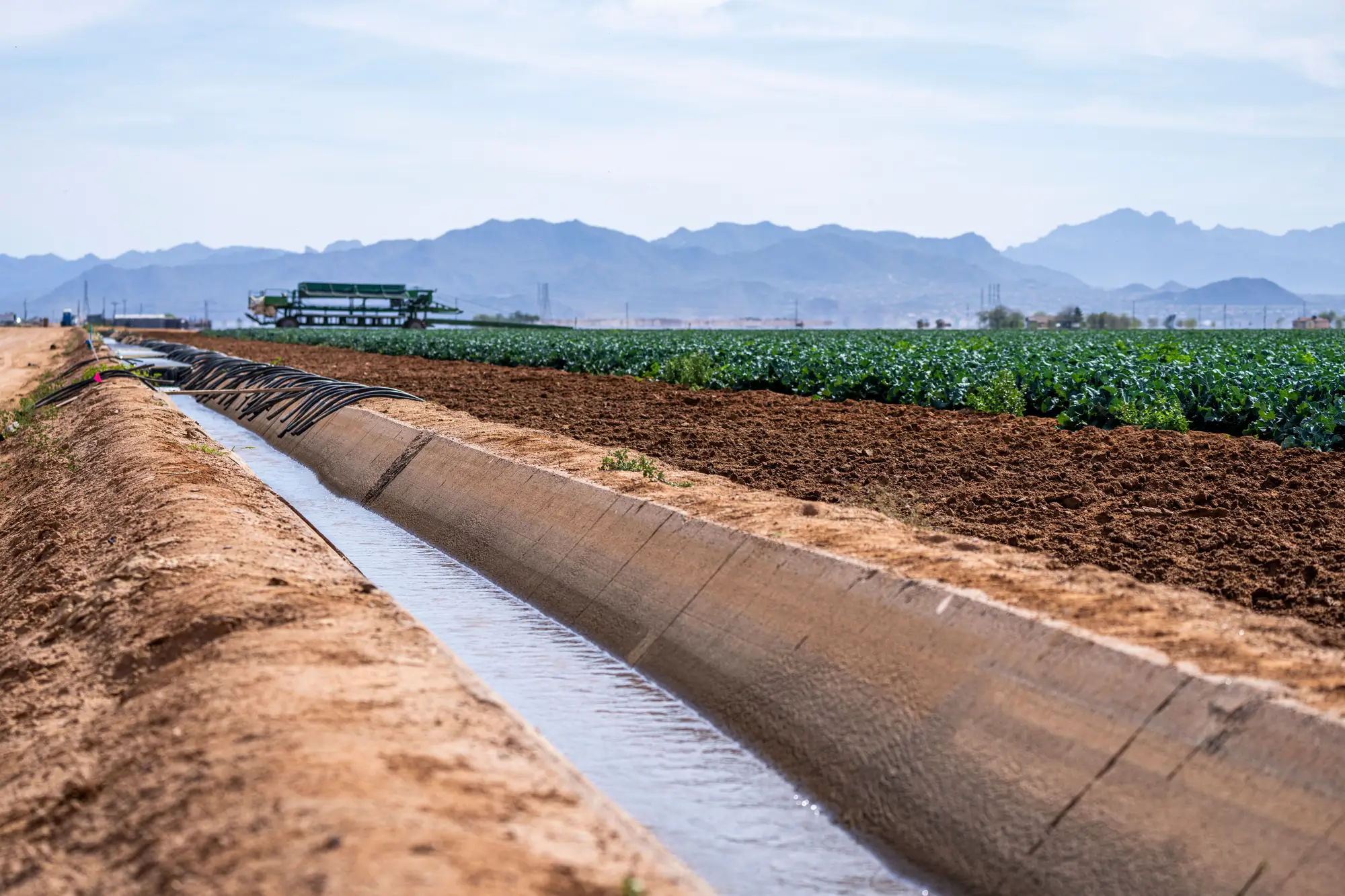
Every water right statute leans on the same three words, and most of the disputes that land on a compliance officer's desk trace back to arguing over what they mean. Beneficial use is the test a diversion has to pass to stay valid. Not "any use that benefits the holder," which is a common misread, but a specific legal standard built around necessity, reasonableness, and avoiding waste.
The legal baseline: beneficial use isn't "any use"
In prior appropriation states, a water right is only as good as the use it's tied to. The doctrine goes back to mining and early irrigation disputes, where courts needed a way to say how much water a claimant could actually hold onto versus how much they were just sitting on. The answer became: you can use what you reasonably need for a recognized purpose, applied without waste, and not a drop more.
That last clause does a lot of work. A right for 400 acre-feet doesn't entitle the holder to divert 400 acre-feet regardless of what's happening on the ground. If the crop only needs 280 in a given year, running the full allotment through an unlined ditch to "use up the right" is the kind of thing a hearing officer will call out as unreasonable, even if no statute lists a specific number.
Irrigation as a beneficial use category
Irrigation is one of the oldest recognized beneficial uses, but the standard still has teeth specific to it. Regulators generally look at the duty of water, meaning how much water a given crop and soil type requires per acre over a season, and compare that against the diversion record. Applying water to a crop that's grown for years counts. Applying water to land that's been fallow, converted to another use, or never brought under irrigation in the first place doesn't, no matter what the paper right says.
Timing matters as much as volume. A right conditioned on an April-through-September irrigation season doesn't cover a January diversion just because the holder calls it beneficial. The place of use, the crop, and the season of use written into the license are part of the beneficial use definition for that specific right, not separate paperwork.
"Use it or lose it": when beneficial use lapses into forfeiture
This is the half of the doctrine most holders know by instinct even if they couldn't cite the statute. Beneficial use has to continue. Most appropriation states set a statutory non-use period, often five years, after which an unused right becomes subject to forfeiture. Some states distinguish forfeiture (automatic once the statutory period runs) from abandonment (which requires showing intent to give up the right), but the practical effect for a compliance program is the same: a right that sat idle long enough stops being a right worth protecting on paper.
The catch for a regulator is that "idle" and "irrigated" look identical from a license file. The file says the parcel has a right. It doesn't say whether anyone put water on it last August, or the August before that.
Why beneficial use is hard to verify from a license file
A compliance file tells you what was licensed: acres, allotment window, source, priority date. It doesn't tell you what happened on the parcel this season. Confirming that takes a field visit, a neighbor complaint, or something that flags the parcel before you drive out. That's the gap a seasonal irrigated-area screening layer is built to close: a wide-swath pass that shows which parcels in a basin were irrigated, roughly when, set against each one's licensed window, so the parcels worth a closer look surface before the inspector does.
If beneficial use is the standard you're enforcing, start the season by checking which parcels in your basin are worth a visit at Irrigated Area Mapping.