14 October 2026
What a call on the river means for compliance timing
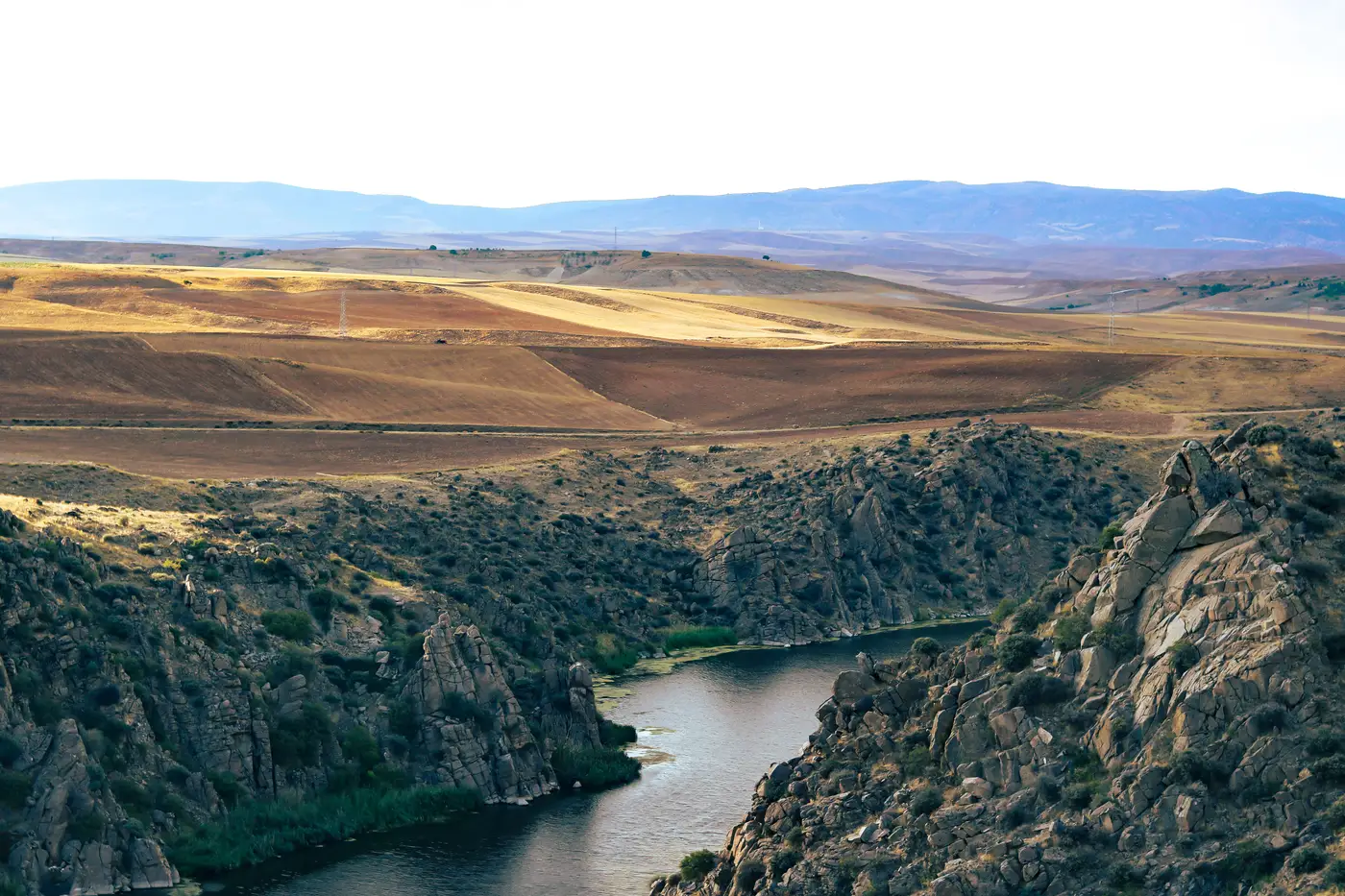
A call comes in, and suddenly your phone doesn't stop ringing. A senior rights holder downstream says their ditch is running dry. Upstream junior users want to know if they're next. Your office has to figure out, fast, who gets cut and when. That's a call on the river, and getting the timing right is most of the job.
What "a call" means
Under prior appropriation, water rights are ranked by priority date: first in time, first in right. When flow in a reach or a basin drops below what's needed to satisfy everyone, the senior right holder with the earliest date can place a call. That call tells the watermaster or regulator to start shutting off junior users, working down the priority list until the senior gets their decreed amount.
A call plays out as a sequence, not a single blanket shutoff. Juniors closest to the senior's point of diversion, or those whose depletions hit the stream fastest, often get curtailed first, depending on your basin's administration rules. The call stays open until streamflow recovers enough to satisfy the senior right, at which point juniors get released in roughly the reverse order they were shut off.
Why the timing is the whole compliance problem
Here's where it gets hard for a compliance officer. A curtailment order sets a window, not a one-time event. The order goes out on a date, but compliance means a junior user stopped diverting by that date and stayed stopped until the call released. A field that looks fine on this week's site visit could have been pulling water for the first ten days after the order went out and only idled once word got around that inspectors were headed that way.
Senior versus junior enforcement depends on placing activity against the calendar across the whole curtailment window, not just the day you happened to drive by. On a basin with a few hundred parcels and a short irrigation season, a single site visit asks you to trust that whatever you saw that day represents the entire period a call was active.
This is also why paper records alone don't settle a dispute. A diversion log or a call sheet tells you what was ordered. It doesn't tell you what happened on a specific forty acres in week three of the call. When a junior user disputes a notice of violation, the question usually isn't whether the call existed, it's whether their field was irrigated during the window in question.
Matching field activity to the call window
A record of irrigation activity across the season helps more than a single site visit, because it shows the pattern rather than one day of it. If a parcel shows green-up and water use continuing two weeks into an active call, that's a different conversation than a parcel that went dormant the day the order posted. Having that seasonal picture, parcel by parcel, turns a "someone said" dispute into one with a date attached to it.
That's the gap a seasonal irrigated-area layer is built to close. Instead of trying to reconstruct a curtailment period from memory and a handful of site visits, you're looking at which parcels showed irrigation activity and roughly when, set against the licensed allotment window for each one. It won't tell you volumes down to the acre-foot, and it's not a substitute for a meter. As a way to decide which parcels need a visit during or after an active call, rather than checking every allotment in the basin, it's the difference between a targeted inspection list and a guess. You can see how that works on the Irrigated Area Mapping landing page.
A call on the river puts a date on the calendar. Whether anyone complied with it is a field-by-field question, and that's where most enforcement disputes start and end.
If you're tired of chasing curtailment compliance with drive-by visits, see what a seasonal irrigated-area screening layer would catch in your basin.